Book Review: The Science of Monsters by Meg Hafdahl, Kelly Florence
Genre: Non-Fiction
Age: Adult
Format: Paperback
My thoughts on this one pretty much align with other reviews on Goodreads. The Science of Monsters promises “The Truth about Zombies, Witches, Werewolves, Vampires, and Other Legendary Creatures” but unfortunately fails to deliver. What I was hoping from this was some of the origins of these ‘monsters’, a look at where folklore and science may align or, failing that, maybe some behind the scenes stuff from the movies about how effects were used to bring these monsters to life.
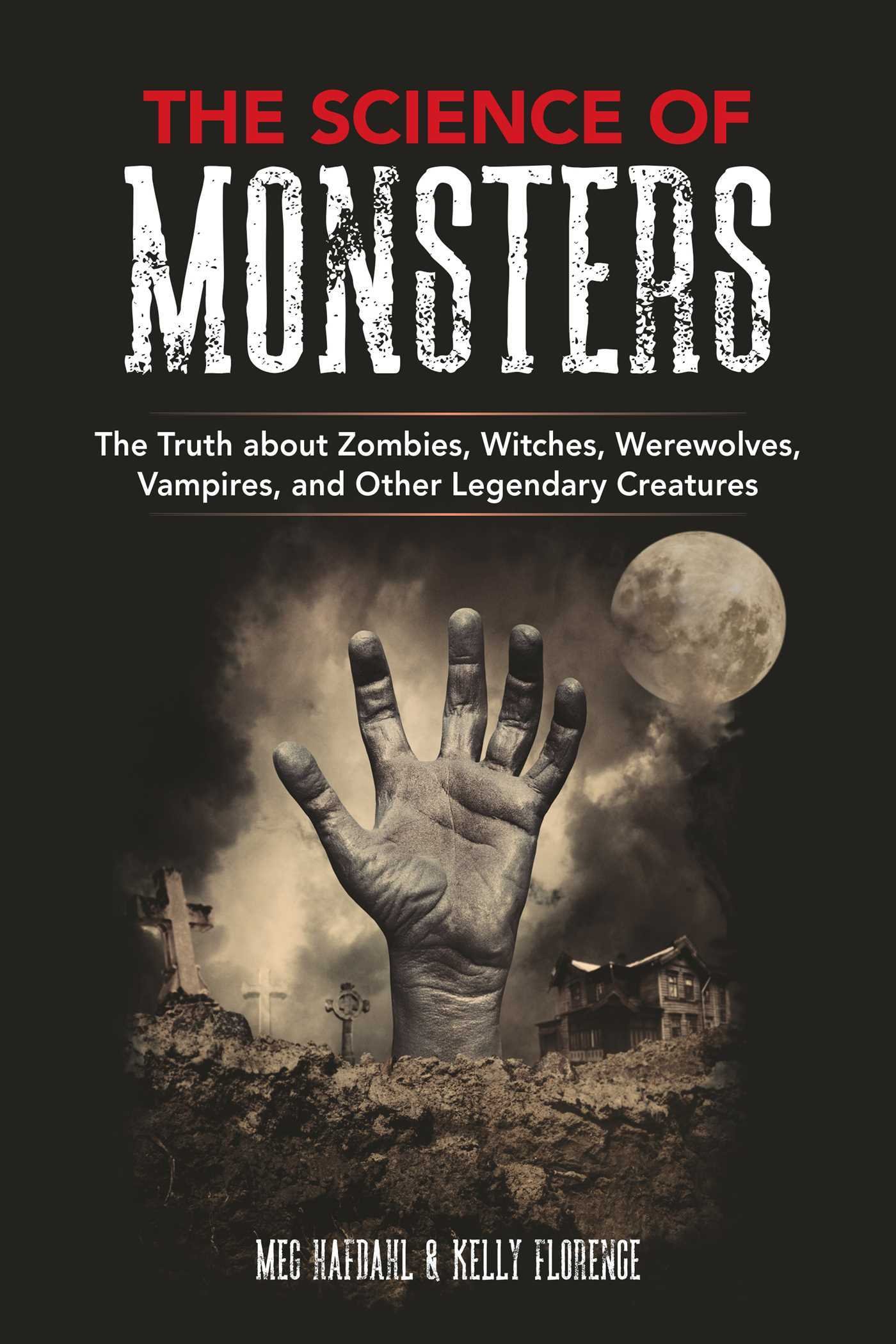
We don’t get that. Instead, this book is an all over the place, messy collection that maybe would have been better as a free-to-read blog or newsletter. Each monster is given its own section with 2 – 3 films per monster, but the logic isn’t always evident. We get Nosferatu and Dracula side-by-side, with Jennifer’s Body slotted in the vampire section, ignoring the literally hundreds of other vampire films that could have been used here. Not that it matters, as the information doesn’t always align with the films anyway, presented in a strange, haphazard way of questions followed by…not quite answers! There are expert interviews, and though some of these were interesting, the questions being asked felt flat, and more often than not it felt like the ‘expert’ was simply whoever the authors could grab to answer some basic questions, mainly people who likely had no choice, being relatives (husbands, etc) of the authors themselves.
It really feels like there’s minimal research done here, and very little of it related to science beyond a really basic view. Debunked theories are presented as facts, and there’s an overall lack of context throughout, instead we just get a “a person in location said…” without any idea of why this is important, how it’s relevant, the time period this was. Early on, there’s mention of King George III’s madness being caused by porphyria, with no mention this was a theory put forward in the 60s and has since been reevaluated. There were numerous similar errors, which made it hard to believe much of the other ‘facts’ given throughout the book.
It’s really simplistic, too, giving the sense that there was a lack of understanding for the target audience. If this is for ‘horror fans’, much of what is true here is already known to many who are interested in the subject. Some interviews are done with high school teachers, who although I’m sure are knowledgeable within their subjects, don’t really feel like ‘experts’ – again, more feeling like it was whoever was available, rather than going out and speaking to actual experts within their fields. The interviews often feel like they veer off somewhat, and the questions are a bit low on the quality side.
There’s a feeling that a lot of the ‘information’ is simply things that have been heard at some point and dropped in without additional research to factcheck or back up the ideas. There’s so much more that could have been done with these monsters, and even the social science side is completely missed off. This could have been a really interesting dive into the origins of vampires, werewolves, witches and demons and how these monsters have captured imaginations, but instead it’s a very loose list of horror films with some information that doesn’t really relate and feels like it could be gleamed from a quick skim of Wikipedia.
Disappointing, and not one I, unfortunately, would recommend.
Review by Elle Turpitt
Twitter: @elleturpitt
Bluesky: @elleturpitt.bsky.social