Celebrating Horror’s Present: The Southern Book Club’s Guide to Slaying Vampires and The Devil and Mrs. Davenport
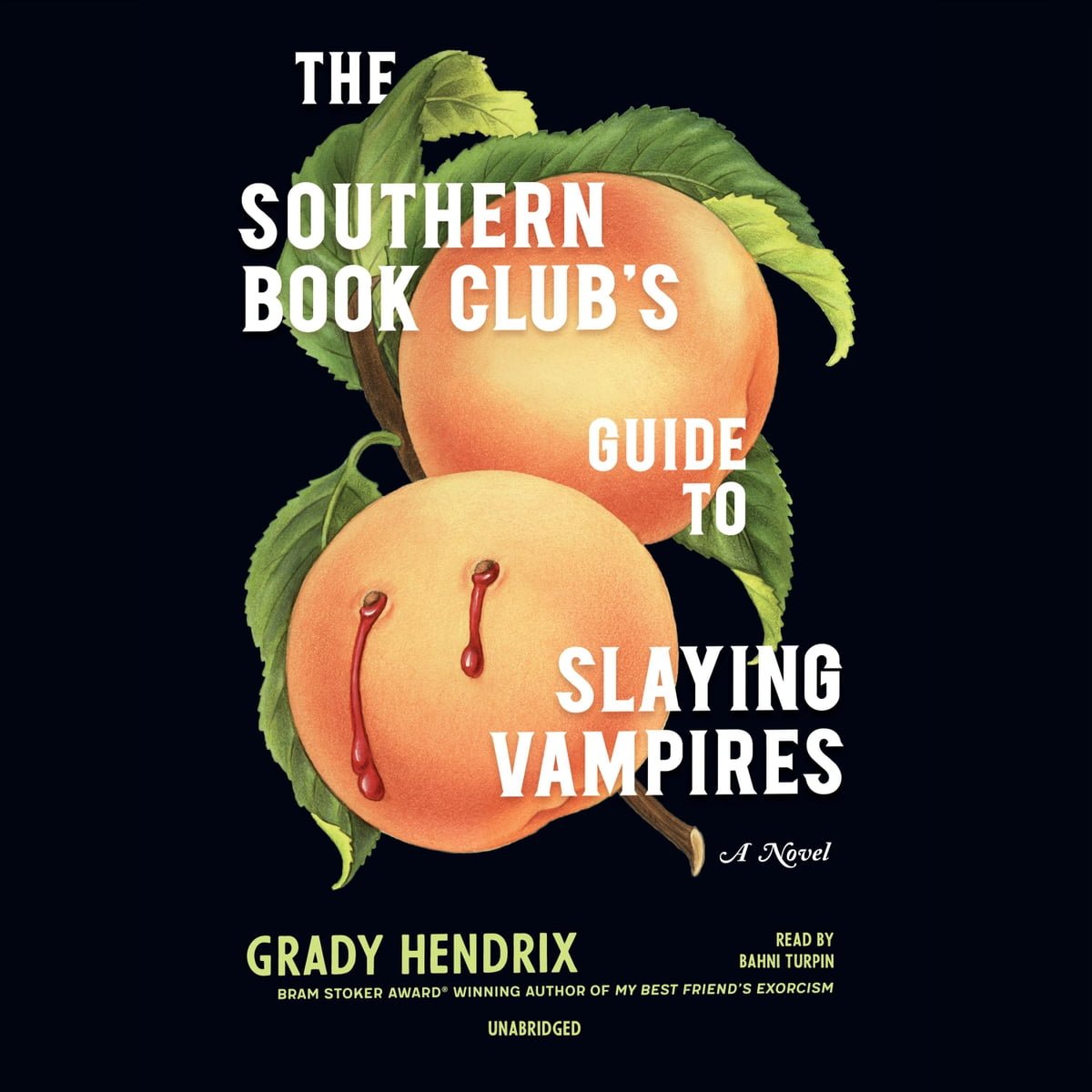
I love a good pairing and although these two novels are quite different in many ways, they both resonated with me and felt spiritually similar. Both books follow housewives in either the American South or in the Ozarks, during the mid-century. Both heroines are beset by supernatural events in very different ways but often the worst villains they face are within their own homes.
The Southern Book Club’s Guide to Slaying Vampires (which I am abbreviating as TSBCGTSV from here on) is my favorite Grady Hendrix book. I loved how real the book club members felt and saw many of my older or current female relatives reflected in them. The women are constantly downplayed by the town, by their husbands, and sometimes even their children. I know I have often rolled my eyes in annoyance at the wisdom of my own mother and grandmothers only to have regretted it later. Hendrix skillfully combines the horror of a predator taking root in the town while playing upon the implicit biases of the setting against women and the Black community.
The titular vampire is an interesting take on the character with both a biological and supernatural spin. He uses manipulation, greed, indulgence, and promises of power to turn the influential men of the town against their wives. He uses them almost like familiars to make fools of the women. My largest complaint concerned the character of Mrs. Green. I greatly enjoyed her character, but I felt like she was not given enough interiority and time to shine compared to the other women in the book. I would have appreciated her playing more of a role in the story but perhaps the author did not feel comfortable writing from her viewpoint. Regardless, the characters in TSBCGTSV are well-crafted and I recommend the book. I look forward to the proposed adaptation and hope it does the story justice.
Although there are supernatural or preternatural elements in The Devil and Mrs. Davenport, the book lacks an external supernatural villain like TSBCGTSV. Instead, the villain is the patriarchy itself, best exemplified by the protagonist’s husband who, during the setting, wields it and fundamentalist religion like a club against his wife. She must learn how to trust herself and escape her husband’s control over her and her children’s lives before it is too late. She feels like she would not have been permitted to join the book club in TSBCGTSV but would have attempted to do so any because she would feel a deep kinship to those women. The leads in both books are involuntarily sent to the mental hospital, but The Devil and Mrs. Davenport takes it further with the threat of a prescribed lobotomy. Religion plays a larger factor with there being a harrowing account of an exorcism or deliverance as a traveling evangelist tries to cast out the devil due to the aforementioned supernatural elements as much as a wife experiencing postpartum depression or feeling unfulfilled in her prescribed role as a homemaker. There are elements of grooming since the main character is married to a man in his twenties and has her first child when she was only sixteen – seventeen years old. Both books touch on these older men preying on young and/or naïve women to take advantage of them.
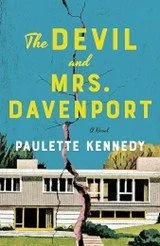
Some may feel like book is too “preachy” and too cliched with its take on the plight of a housewife in the 1950s. However, with the current political climate of the US taking away reproductive rights, hatred towards LGBT+ people, threats of dissolving gay marriages, calls for repeals of no-fault divorce or a woman’s right to vote, I did not mind it. The author has a thoughtful afterword where she briefly discusses how women in her own family faced some of these issues during their time and how, when writing the book, she felt worried things may continue backsliding.
Together, these books feel timely and remind me of one of my favorite aspects of the horror genre. How it can use supernatural villains or elements to highlight the anxieties many are facing. I am disappointed but unsurprised by certain members of the community who call for the genre to return to its origins. They blithely ignore that horror has ALWAYS been a genre for exploring political, societal, or basic human plights or perhaps they did not mind that when the conflicts under examination only reflected their lives.
Ratings: TSBCGTSV: B+
The Devil and Mrs. Davenport: B
Review by Dee
Twitter and Bluesky: @SirenofScience
I purchased TSBCGTSV from my local half-price books and bought The Devil and Mrs. Davenport on a whim to get free shipping on an Amazon order.