Celebrating Horror’s Past: Through Blood Tinted Glasses - Introduction
Vampires are back in fashion, at least it feels that way, and I’m absolutely here for it.
Vampires dominated during my late teens and early twenties, which you’d think would be heaven for a girl who loves anything to do with them, and though I loved True Blood, I never could get on with Twilight, and it took me a long while to watch The Vampire Dairies (which, really, I only did because I’d watched and loved The Originals).
We’re seeing vampires becoming popular again, and if you’ve been following fiction trends, the return of the undead shouldn’t really come as a surprise. I think what I find interesting about these bloodsuckers is the way they can be used to both look backwards and forwards. We have the excellent TV adaption of Interview with the Vampire, updating the story from the original text, but adding extra layers that don’t exist in either the book or the 90s film. There’s the recent Sinners, which I have yet to see, but which (as far as my understanding goes), like IWTV, is historical, uses vampires to examine race relations in the US, and is reportedly excellent. Even prior to this, we’ve had contemporary vampires in What We Do in the Shadows and vampires used to look at religious extremism in Midnight Mass.
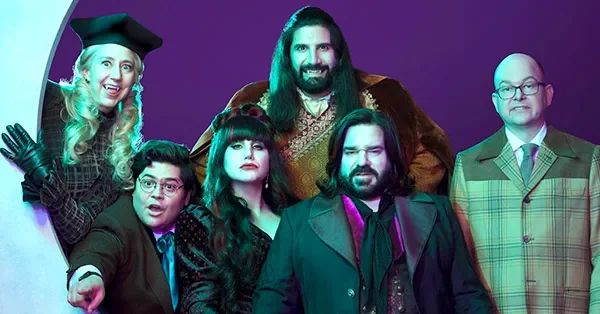
It should be no surprise the vampire endures; the vampire is versatile, able to represent everything from a fear of death and disease to sexuality, race, and change. The vampire can be protagonist or antagonist, hero, antihero or villain, love interest or even just a force for change. They cross genres, too – the vampire may have their roots in horror, but they’re embraced in romance and comedy. They appear in fantasy. They can be killers or relatively harmless, but throughout, they always represent a threat; even the humorous vampires of WWDITS have a high body count.
No matter their form, they’re alluring and dangerous. They’re articulate, able to blend in with humans, interact normally. They’re not obviously dead like zombies; they don’t change into beasts like werewolves. They have free will and control over their actions (mostly), but with a power that ensures anyone they take under their wing is protected, and anyone who crosses them can be easily dealt with.
They are fascinating, and they are ever-changing. Vampires can come from all walks of life; they can be ancient beings who have witnessed the rise and fall of empires, or recently turned and struggling to adjust. Their flexibility means they can be excellent for social commentary, either as representing some negative aspect, or able to comment on ‘where we’ve gone wrong’.
Our view and use of vampires has changed across time, in some really fascinating ways. Even portrayals of Dracula – perhaps the most famous of them all – vary wildly, from a monstrous creature in Nosferatu played by Max Schreck, to the transformative Gary Oldman in Bram Stoker’s Dracula, to the animated version we see in Hotel Transylvania voiced by Adam Sandler. There is a huge amount of vampire films out there, with each one saying something slightly different about this most alluring of monsters.
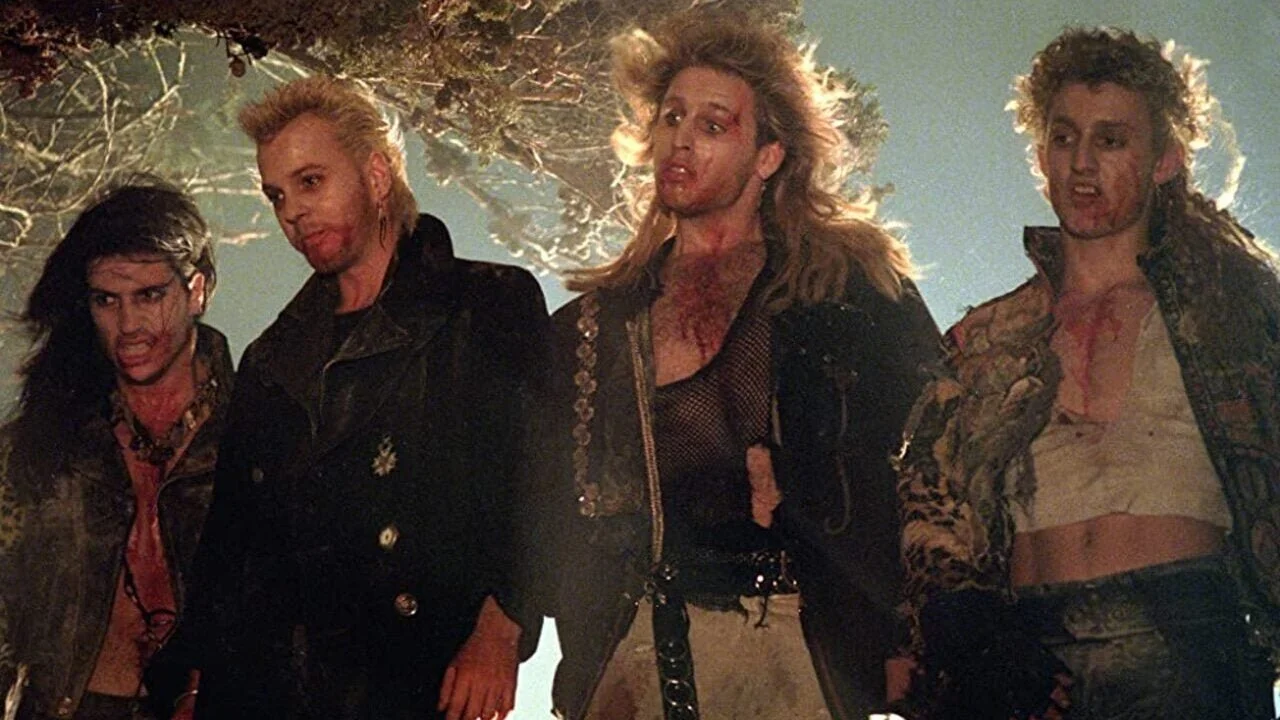
So, I’ve set myself a bit of a task. In this series, Through Blood Tinted Glasses, I’ll be taking a look at vampire films throughout history, focusing on English language vampire films, to see what they say about the vampire, history and society, and our relationship with this most intriguing of creatures. There are some films I won’t be watching, but I’ll expand on that when we get to them. And I’m focusing on English language purely to narrow down the list, but that’s not to say I won’t, eventually, include films from outside the Anglosphere.
I am working form a list of currently 300+ films, but this will likely narrow down as I move through it. The list (taken and slightly modified from this excellent list on IMDB) does only go up to 2020, so if I ever make it that far, I’ll be adding more.
The series will feature two parts per film – a review of the film itself, and an article following, expanding on the cultural context and, if applicable, the way the portrayals change. I will be trying to pull in other resources too, so if you have any suggestions for these, please feel free to throw them my way (no AI!), and I will of course list any resources I use in the articles.
So, join me, won’t you, for this journey throughout vampire film history, this look at films Through Blood Tinted Glasses.
By Elle Turpitt
Twitter: @elleturpitt
Bluesky: @elleturpitt.bsky.social